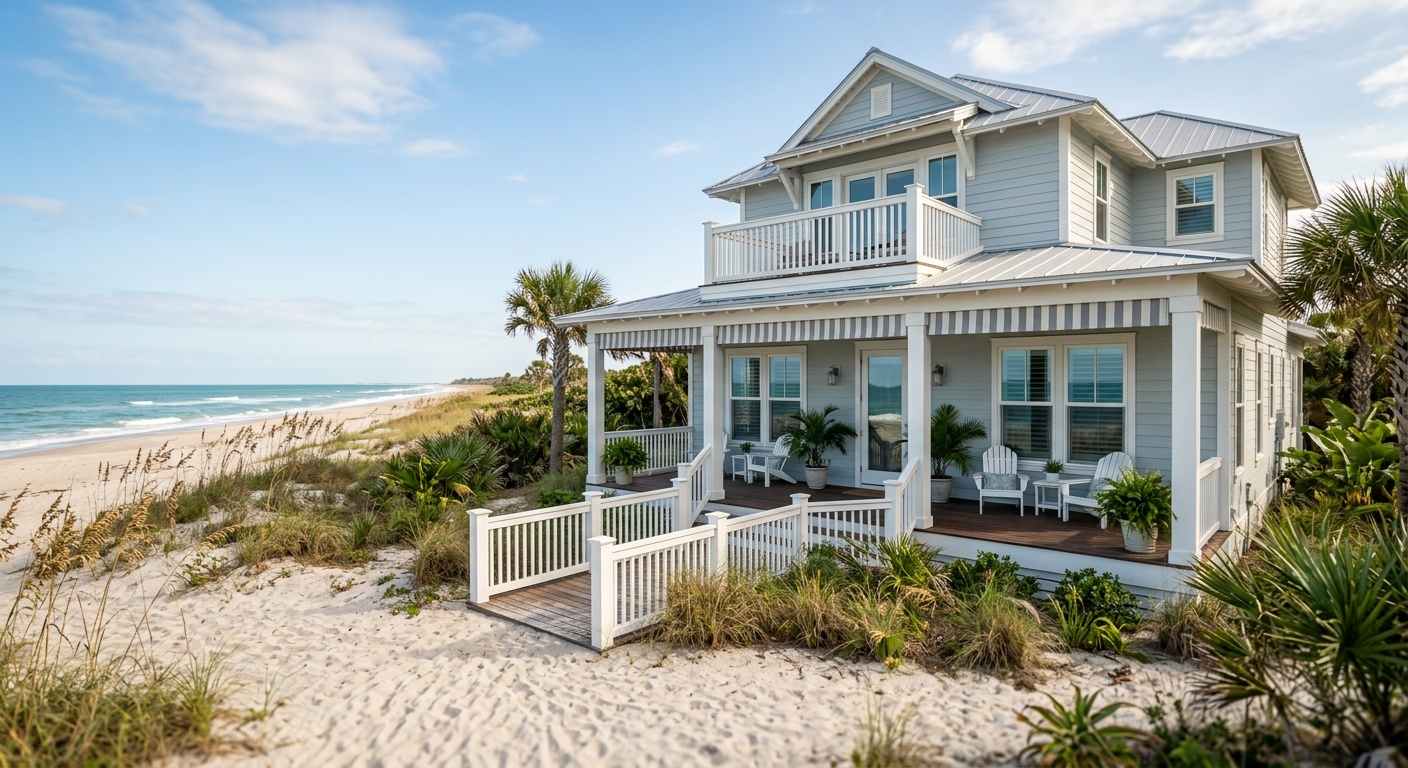
A Step-by-Step Guide to Buying Vacation Rental Homes in Florida
Reading time: 9 minutes
Table of Contents
- Why Florida Still Wins in 2026
- Step-by-Step Buying Process
- Market Comparison: Where to Buy
- Common Challenges (and How to Beat Them)
- FAQs
- Your Roadmap Forward
Ever stared at a Zillow listing in Kissimmee at 11pm, calculator in one hand, coffee in the other, wondering if you’re about to make the smartest purchase of your life—or the costliest mistake? You’re not alone. Florida remains the single most popular state in the U.S. for short-term rental investment, and 2026 brings a market that’s matured, tightened its regulations, and rewarded buyers who actually do their homework.
Here’s the straight talk: buying a vacation rental in Florida isn’t about finding a “hot” zip code and hoping for the best. It’s about matching the right property, in the right market, to the right financing and management strategy. Let’s walk through exactly how to do that.
Why Florida Still Wins in 2026
According to AirDNA’s early 2026 market data, Florida hosts over 210,000 active short-term rental listings, with average annual revenue per property hovering around $46,000 in top-performing counties like Osceola and Walton. Occupancy rates in family-friendly hubs near theme parks and Gulf Coast beaches remain above 62%, even as national short-term rental supply grows.
“Florida continues to outperform because demand is diversified—theme parks, beaches, snowbirds, and business travel all overlap,” notes Marisol Chen, a Tampa-based real estate investment advisor. “But the counties that regulate responsibly are the ones holding value best.”
Step-by-Step Buying Process
Step 1: Define Your Investment Goals
Before you even open a listing site, get specific. Are you chasing cash flow, long-term appreciation, or a hybrid personal-use-plus-rental property? A condo near Disney World behaves completely differently than a beachfront cottage in Destin. Write down your target cap rate (most investors aim for 8–12% in Florida’s current market), your maximum down payment, and how many weeks per year you’d personally want to use the property.
Step 2: Research the Right Market
Not all Florida counties welcome short-term rentals equally. Some, like Osceola County, actively license and support vacation rental communities. Others—including parts of Miami-Dade—have tightened ordinances requiring minimum stays or capping permits. Pull local short-term rental ordinances directly from the county clerk’s website before falling in love with a property.
Step 3: Secure Financing Early
Investment-property mortgage rates in early 2026 sit around 7.1–7.6% for conventional loans, according to Freddie Mac data, roughly a full point higher than primary-residence rates. Many buyers instead use DSCR (Debt Service Coverage Ratio) loans, which qualify you based on the property’s projected rental income rather than personal income—ideal if you’re self-employed or already own multiple properties.
Step 4: Understand Local Regulations and HOA Rules
This is where deals die. Some HOAs ban rentals under 30 days entirely, regardless of county law. Always request the HOA’s governing documents and rental restrictions in writing before signing a contract—not after.
Step 5: Build Your Management Plan
Decide upfront: self-manage or hire a professional company? Property managers in Florida typically charge 20–30% of gross rental revenue but often boost occupancy through dynamic pricing tools and 24/7 guest support. For out-of-state buyers, this isn’t optional—it’s essential infrastructure.
Market Comparison: Where to Buy
Here’s a snapshot comparing five popular Florida vacation rental markets based on 2026 data from AirDNA and county property records.
| Market | Avg. Purchase Price | Avg. Occupancy | Avg. Cap Rate | STR Regulation Strictness |
|---|---|---|---|---|
| Kissimmee/Orlando | $420,000 | 68% | 9.8% | Low |
| Destin/30A | $795,000 | 61% | 7.4% | Moderate |
| Miami/Miami Beach | $650,000 | 59% | 5.9% | High |
| Tampa/St. Pete | $505,000 | 64% | 8.1% | Moderate |
| Naples/Marco Island | $890,000 | 57% | 6.2% | Moderate |
Visualizing Occupancy Rates Across Markets
Common Challenges (and How to Beat Them)
Challenge 1: Shifting Regulations
Florida’s 2024 statewide preemption law aimed to standardize short-term rental rules, but 2026 has seen counties push back with local licensing fees and inspection requirements. Solution: Work with a local real estate attorney who tracks ordinance changes quarterly, not just at closing.
Challenge 2: Rising Insurance Costs
Florida property insurance premiums climbed another 8–12% in 2025 due to hurricane risk models. A $500,000 coastal property might now cost $9,000–$14,000 annually to insure. Solution: Get insurance quotes before making an offer, not after—it can change your entire ROI calculation.
Challenge 3: Overestimating Revenue
New investors often use peak-season nightly rates to project annual income, ignoring shoulder-season dips. Solution: Pull twelve months of trailing data from AirDNA or Rabbu for the specific property or comparable units before finalizing your offer.
Real-World Example
Consider Jamie and Rob, a couple from Ohio who purchased a three-bedroom townhome near Kissimmee in early 2025 for $415,000. By using a DSCR loan, hiring a local property manager, and pricing dynamically through peak Disney travel weeks, they generated $52,300 in gross rental income in their first full year—a 12.6% gross yield before expenses. Their key move? They visited the property three times before buying, once during off-season, to gauge realistic demand.
FAQs
Do I need an LLC to buy a vacation rental in Florida?
It’s not legally required, but most investors form an LLC for liability protection and easier bookkeeping. It also simplifies transferring ownership later if you decide to sell or bring in partners.
Can I finance a Florida vacation rental if I live out of state?
Yes. Out-of-state buyers routinely qualify for DSCR loans or conventional investment-property mortgages. Lenders focus on the property’s income potential and your credit profile rather than requiring Florida residency.
How much should I budget for ongoing costs beyond the mortgage?
Plan for property management (20–30% of revenue), insurance, HOA fees where applicable, maintenance reserves (roughly 1% of property value annually), and platform fees from Airbnb or Vrbo, which typically run 3–5%.
Your Roadmap Forward
Florida’s vacation rental market in 2026 rewards buyers who treat this as a business, not a bet. Here’s your immediate action plan:
- Week 1: Define your target cap rate and maximum budget before browsing listings.
- Week 2: Shortlist three counties and pull their current short-term rental ordinances directly from official sources.
- Week 3: Get pre-approved with a lender experienced in DSCR or investment-property loans.
- Week 4: Request 12 months of trailing revenue data on any property you’re seriously considering, plus a written insurance quote.
- Ongoing: Interview at least two property management companies before closing, so your rental is generating income from day one.
The investors thriving in this market aren’t the ones with the biggest budgets—they’re the ones who did the unglamorous homework before signing anything. So, which market on that table caught your eye, and what’s stopping you from pulling the ordinance data today?
About the Author
