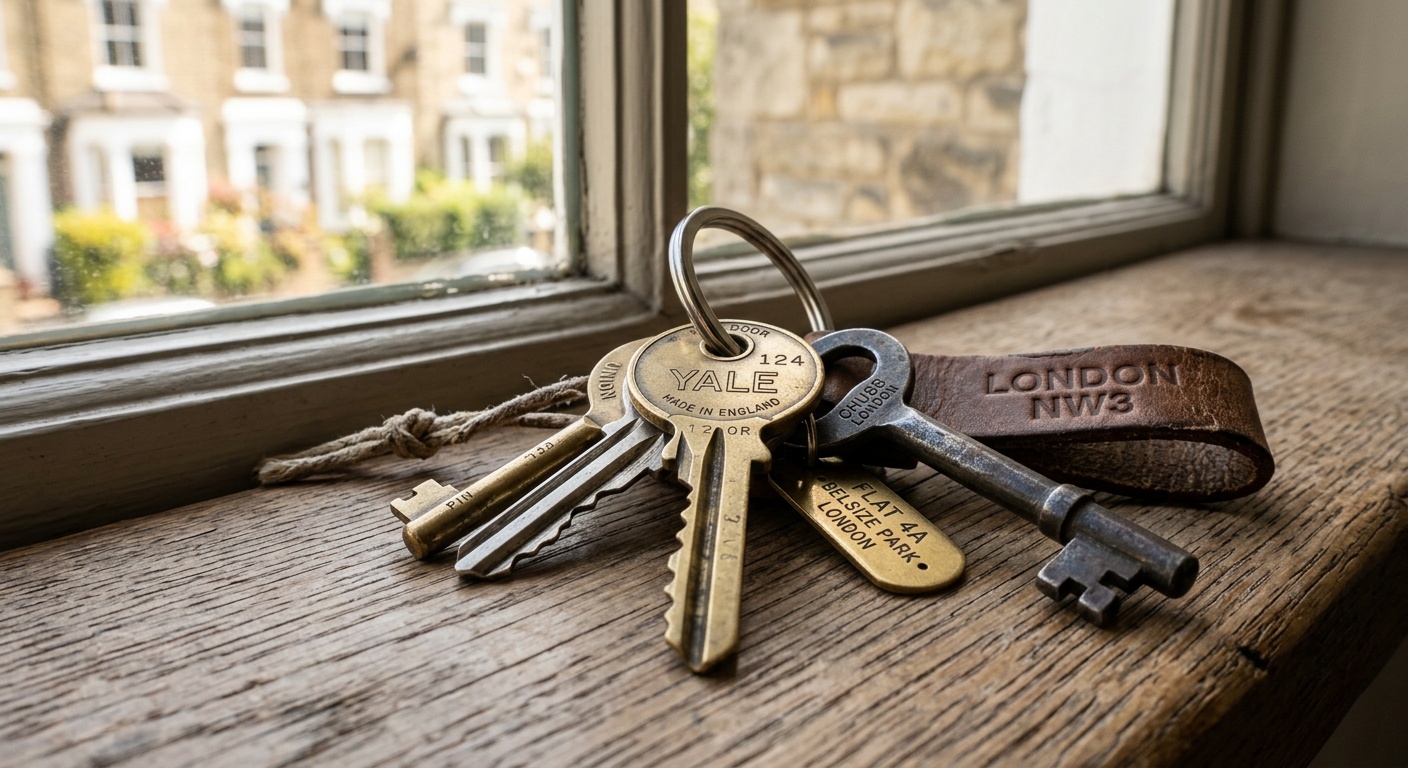
Home Buying Basics Every First-Time Buyer Needs Before Purchasing Overseas
Reading time: 9 minutes
Buying your first home is stressful enough when it’s in your own country. Add a foreign language, unfamiliar legal system, and a currency that fluctuates while you’re mid-negotiation, and you’ve got a recipe for expensive mistakes. Yet in 2026, more first-time buyers than ever are looking abroad—drawn by lower entry prices, residency perks, and the simple appeal of owning a slice of somewhere new.
This guide strips away the jargon and gives you the practical groundwork you need before you sign anything.
Table of Contents
- Why First-Time Buyers Are Looking Abroad in 2026
- The Non-Negotiable Basics Before You Start
- Understanding Legal Protections and Title Checks
- Financing Your Overseas Purchase
- Common Challenges (and How to Beat Them)
- Cost Comparison Across Popular Markets
- FAQs
- Your Roadmap Forward
Why First-Time Buyers Are Looking Abroad in 2026
Domestic housing markets in the US, UK, and much of Western Europe remain stubbornly expensive. Mortgage rates hovering around 6-7% in many countries have pushed a growing number of first-time buyers to consider markets where their savings simply stretch further. According to recent industry estimates, cross-border residential purchases by first-time buyers rose by roughly 18% between 2024 and 2026, driven largely by remote work flexibility and golden visa-style residency programs.
Here’s the straight talk: buying overseas isn’t inherently riskier than buying at home—it’s just different. The rules change, the paperwork changes, and the safety nets you’re used to might not exist in the same form. That’s exactly why preparation matters more, not less.
The Non-Negotiable Basics Before You Start
Before you fall in love with a villa on a coastline somewhere, get these fundamentals sorted first.
1. Know Your Legal Standing as a Foreign Buyer
Not every country allows foreigners to own property outright. Thailand, for instance, restricts foreign freehold ownership of land (though condos are generally fine). Mexico requires a trust structure called a fideicomiso for coastal property. Meanwhile, countries like Portugal, Spain, and Greece are largely open to foreign ownership with minimal restrictions, which is part of why Southern Europe remains a magnet for first-timers.
2. Budget for the “Invisible” Costs
Buyers routinely underestimate closing costs abroad. Transfer taxes, notary fees, legal fees, and registration charges can add anywhere from 7% to 13% on top of the purchase price depending on the country. Build this into your budget from day one—don’t let it surprise you at the signing table.
3. Get Your Financing Pre-Sorted
Local banks in your destination country may offer mortgages to non-residents, but terms are usually less favorable: higher down payments (often 30-40%), shorter terms, and stricter income verification. Some buyers instead leverage home equity from their primary residence, which can be faster and cheaper than navigating foreign lending bureaucracy.
Understanding Legal Protections and Title Checks
This is where most first-time overseas buyers get nervous, and rightly so. In many countries, the concept of clean, verified ownership isn’t as automatic as it is in the US or UK. A property registry might be incomplete, a seller might have undisclosed debts attached to the property, or boundary disputes might exist that nobody mentions until you own the place.
This is exactly why title insurance has become increasingly common in international real estate transactions—it protects buyers against losses arising from defects in the property’s legal ownership history that weren’t caught during due diligence. While it’s standard practice in North America, it’s still gaining traction in parts of Europe and Asia, so ask specifically whether it’s available and whether your lawyer recommends it for your target market.
Working With Independent Legal Counsel
Never rely solely on the seller’s agent or notary to represent your interests—even in countries where notaries are legally neutral. Hire your own real estate attorney who speaks your language fluently and has no financial relationship with the seller or developer. A good lawyer will cost you €1,500-€3,000 on a typical transaction but can save you from six-figure disasters.
“The single biggest mistake first-time overseas buyers make is treating the local notary as their advocate. Notaries verify legality, they don’t negotiate on your behalf,” notes Elena Papadopoulos, a property lawyer based in Athens who has handled over 400 foreign buyer transactions since 2019.
Financing Your Overseas Purchase
Let’s dig into a realistic scenario. Imagine you’re a 32-year-old first-time buyer from Canada looking at a €220,000 apartment in Lisbon. You have €90,000 saved. What are your realistic paths forward?
- Local mortgage: Portuguese banks typically lend up to 60-70% loan-to-value for non-residents, meaning you’d need roughly €66,000-€88,000 down plus closing costs.
- Cross-border lender: Specialized international mortgage brokers can sometimes secure better terms by shopping multiple banks simultaneously.
- Cash-out refinance at home: If you own property domestically, tapping equity might offer a lower rate than a foreign non-resident mortgage.
Each path has trade-offs in currency exposure, interest rate risk, and paperwork complexity. There’s no universally “right” answer—it depends on your risk tolerance and how long you plan to hold the property.
Common Challenges (and How to Beat Them)
Challenge 1: Currency Volatility
If your income is in one currency and your mortgage or purchase price is in another, exchange rate swings can quietly erode your budget by thousands over a few months. Solution: use a forward contract or a specialized currency transfer service to lock in rates once you’ve agreed on a price, rather than waiting until closing day.
Challenge 2: Language and Document Verification
Contracts, utility histories, and zoning permits are often only available in the local language. Google Translate is not a substitute for a certified translator when reviewing binding legal documents. Solution: budget for professional translation of every document you’re asked to sign.
Challenge 3: Remote Due Diligence
You can’t always fly out for every inspection. Solution: hire a local buyer’s agent or surveyor who works exclusively for you (not the seller) and can conduct video walkthroughs, order structural surveys, and flag red flags before you commit.
Cost Comparison Across Popular First-Time Buyer Markets
| Market | Avg. Entry Price (1-bed) | Closing Costs | Non-Resident Mortgage Access | Foreign Ownership Restrictions |
|---|---|---|---|---|
| Portugal | €180,000-€250,000 | 7-8% | Moderate | None |
| Greece | €120,000-€190,000 | 9-10% | Limited | None (border zone permits apply) |
| Spain | €150,000-€230,000 | 10-12% | Good | None |
| Thailand | $90,000-$140,000 | 6-7% | Very Limited | Land ownership restricted |
| Mexico | $110,000-$160,000 | 5-8% | Limited | Trust required in coastal zones |
Greece in particular has seen renewed interest from first-time buyers because entry prices remain competitive relative to the rest of Southern Europe, and the process to buy property in greece has become noticeably more streamlined since digital registry upgrades rolled out in 2025.
Foreign Buyer Confidence by Market (2026 Survey Data)
A Quick Case Study: Learning the Hard Way
Consider Marcus, a first-time buyer from Manchester who purchased an apartment in Valencia in 2024 without independent legal representation. He relied on the developer’s in-house lawyer, assuming it would speed things up. Eighteen months later, he discovered an unpaid community fee debt attached to the unit from the previous owner—nearly €4,200. Because he hadn’t verified the property’s full financial history through an independent search, he had to absorb the cost himself.
Compare that to Priya, a first-time buyer from Singapore who bought in Lisbon in 2025. She hired an independent lawyer, ordered a full title search, and purchased supplemental title protection. When a boundary discrepancy surfaced during registration, her lawyer resolved it before closing—at no cost to her beyond the initial legal fee.
The lesson isn’t subtle: the few thousand you spend on independent due diligence upfront is insurance against the tens of thousands you could lose later.
FAQs
Do I need to be a resident to buy property overseas?
In most popular markets—including Portugal, Spain, and Greece—residency is not required to purchase property. However, some countries impose restrictions on land ownership near borders or coastlines, so always check local rules before falling in love with a specific location.
How much should I budget beyond the purchase price?
Plan for an additional 7-13% of the purchase price to cover transfer taxes, notary fees, legal fees, and registration costs. This varies significantly by country, so get a written estimate from a local lawyer before making an offer.
Is it safe to buy property abroad without visiting in person?
It’s possible but riskier. If travel isn’t feasible, hire an independent local agent or surveyor to conduct video walkthroughs and physical inspections on your behalf, and never sign a purchase agreement without an independent lawyer reviewing every clause first.
Your Roadmap Forward
Buying your first home overseas in 2026 isn’t about having zero risk—it’s about managing the risks you can see and insuring against the ones you can’t. Here’s your practical checklist before you make an offer:
- Confirm ownership rights for foreigners in your target country before you get emotionally attached to a property.
- Hire independent legal counsel who works exclusively for you, not the seller or developer.
- Budget the full closing cost range, not just the headline purchase price.
- Lock in your currency exchange rate once your offer is accepted to avoid budget surprises.
- Ask about title protection explicitly, even in markets where it isn’t yet standard practice.
As remote work continues to blur the line between “home market” and “dream destination,” first-time buyers who do their homework will keep finding better value overseas than they ever could locally. The question isn’t whether international home buying will keep growing in popularity—it’s whether you’ll be prepared when your opportunity shows up. What’s stopping you from starting that research today?

About the Author
